

Aviator APK: What Nigerians Should Know
📱Discover Aviator APK—how to safely download, install and use this popular app in Nigeria. Learn its features, security tips, legal issues, and smart alternatives today.
Edited By
Helen Yusuf
Nigeria's aviation sector is steadily growing, offering significant opportunities for professionals, especially aspiring pilots. The industry combines regulatory oversight, training facilities, and expanding air travel demand across West Africa. Understanding the basics helps those keen on careers in aviation or related fields like aviation tech, finance, and marketing.
The Nigerian Civil Aviation Authority (NCAA) governs the sector, enforcing safety, licensing, and operational standards. This regulatory framework ensures airlines and pilots meet set guidelines before taking to the skies. Working closely with international bodies, NCAA maintains compliance with global aviation protocols, vital for maintaining Nigeria's status as a regional aviation hub.

Training to become a pilot in Nigeria requires dedicated pathways. Candidates often start by obtaining a Private Pilot Licence (PPL) at accredited aviation schools, such as the Nigerian College of Aviation Technology (NCAT) in Zaria. Following this, the Commercial Pilot Licence (CPL) is pursued, serving as the key to professional flying roles. Training includes both ground schooling and flight hours, with simulations and real-aircraft exercises. Private sector flight academies also provide alternative routes but vetting for quality and certification is crucial.
Nigeria’s aviation landscape offers both challenges and potential. Infrastructure gaps and fluctuating fuel costs often affect operational viability, while high training fees remain a barrier for many aspirants.
Career prospects in aviation go beyond flying. Roles in airline management, air traffic control, aircraft maintenance, and aviation finance present viable paths. Airlines like Arik Air, Air Peace, and Max Air continuously seek skilled personnel to sustain Nigeria's growing air travel demand. Moreover, the arrival of tech-driven firms such as Flutterwave and OPay in transportation payments reflects opportunities for tech-savvy professionals in the aviation ecosystem.
For non-pilots looking to support aviation, marketing and logistics offer valuable entry points. Understanding air cargo dynamics or passenger service marketing can place professionals in strategic positions within airports or airline companies.
In summary, Nigeria's aviation sector blends opportunity with challenges. Prospective pilots must prepare through certified training and adapt to industry demands, while other professionals can carve niches supporting the sector’s growth. This sets the stage for a detailed look at the training routes, career options, and regulatory setup shaping the Nigerian aviation world.
Understanding Nigeria's aviation industry is key for anyone interested in aviation careers or investing in this sector. The industry influences not just transportation but also economic activities, trade, and regional connectivity. For aspiring pilots or stakeholders, knowing the current landscape, major players, and regulatory environment offers practical insights and helps navigate the complexities of air travel within Nigeria.
Nigeria handles millions of passengers yearly, reflecting its status as West Africa’s busiest airspace. Lagos’s Murtala Muhammed International Airport (MMIA) alone managed over 8 million passengers in recent years, including both domestic and international travellers. This volume means high demand for skilled aviators and operational staff, creating many opportunities but also pressure on systems.
An understanding of air traffic trends can help pilots and businesses plan better routes and services. For example, flights to Abuja and Port Harcourt show steady growth due to business activities, while holiday seasons see spikes linked to family visits and festive celebrations.
Nigeria’s aviation network centres on a few key airports. MMIA in Lagos is the major international gateway, while Nnamdi Azikiwe International Airport in Abuja acts as the federal capital’s main hub. Port Harcourt and Kano airports serve significant regional and economic roles.
Besides these, smaller airports like Mallam Aminu Kano International Airport and Akanu Ibiam International Airport support domestic flights and contribute to regional connectivity. Pilot trainees and operators need to familiarise themselves with the geography, facilities, and traffic patterns at these hubs to operate effectively.
Nigeria hosts several domestic airlines such as Air Peace, Arik Air, and Dana Air, offering extensive networks within the country. International carriers also connect Nigeria to global cities across Africa, Europe, the Middle East, and the Americas.
These operations highlight diverse pilot opportunities — from flying short-haul domestic trips linking Lagos and Kano, to longer international routes to London or Dubai. Understanding airline operations helps budding aviators prepare for job requirements, such as multi-sector flying experience.
FAAN manages and maintains most of Nigeria’s public airports. This body ensures airport infrastructure is up to standard, covering runway maintenance, terminals, and navigation aids. Strong airport management under FAAN improves safety and passenger experience, directly affecting airline operations and pilot schedules.
For those entering the aviation sector, awareness of FAAN’s role means recognising how airport conditions and regulations influence flight planning and turnaround times.
NCAA is responsible for regulating Nigeria’s civil aviation safety, security, and economic efficiency. This includes issuing licences to pilots and airlines, monitoring compliance with international standards, and overseeing accident investigations.
Aviators must comply with NCAA’s rules to operate legally. Understanding NCAA’s requirements for licences, recurrent training, and certification is crucial for career progression in Nigeria’s aviation industry.
Safety standards in Nigerian aviation align with the International Civil Aviation Organization (ICAO) guidelines, with NCAA supervising enforcement. This covers everything from aircraft maintenance protocols to pilot competency checks.
For any pilot or operator, keeping up with these safety standards ensures operational reliability and helps build trust with passengers and stakeholders. In practice, adherence to safety guidelines reduces risks during flights and supports Nigeria’s efforts to maintain global aviation credibility.
The aviation sector in Nigeria is not just about flying planes; it is a complex ecosystem where airports, airlines, and regulators interact to keep the skies safe and efficient.
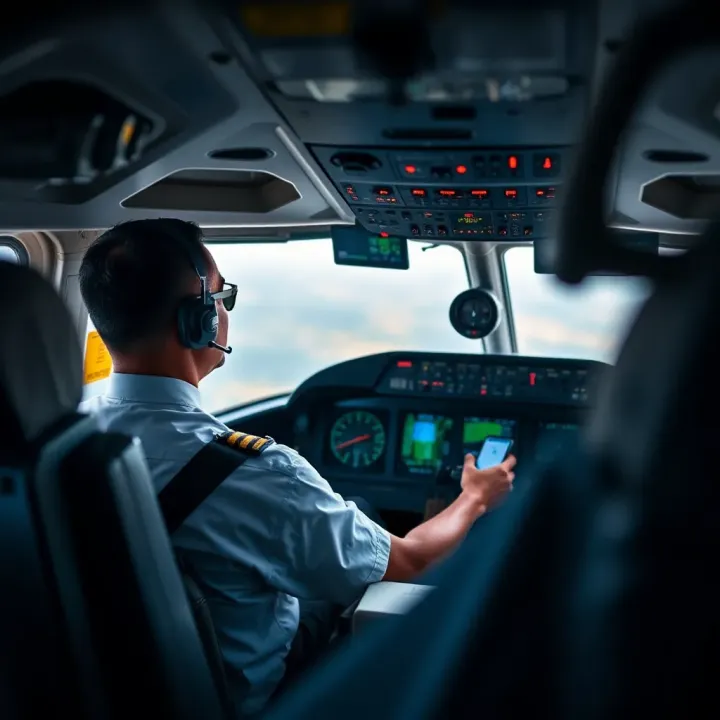
Nigeria processes over 8 million passengers annually at MMIA alone
Main hubs: Lagos, Abuja, Port Harcourt
Key regulators: FAAN manages airports; NCAA regulates safety and licensing
Understanding these elements provides a solid baseline for anyone seeking a career as a pilot or involvement in Nigeria’s aviation industry.
Navigating the path to becoming an aviator in Nigeria is vital for anyone aiming to build a solid career in the aviation sector. This journey involves precise educational steps, medical requirements, and training options, which together shape practical readiness for flying. Understanding these elements helps aspiring pilots avoid costly delays or setbacks.
Most Nigerian aviation bodies expect a candidate to have at least five credits in WAEC or NECO exams, including English Language, Mathematics, Physics, and one technical science subject. This baseline ensures that candidates possess basic analytical and language skills needed for pilot training and communication during flights. For instance, without a credit in Physics, comprehending flight mechanics could become unnecessarily difficult.
Pilots must hold a valid Class 1 Medical Certificate issued by an approved aviation medical examiner in Nigeria. This certificate proves the applicant meets strict fitness standards, including eyesight, hearing, and cardiovascular health. Given the physical and mental demands of flying, this step prevents health-related risks that could endanger lives. For example, untreated hypertension could lead to sudden incapacitation mid-flight.
Proficiency in English is mandatory since aviation communication worldwide operates in English. Effective communication is essential for instructions, navigation, and safety. Candidates often undergo English proficiency tests or training to sharpen their listening and speaking skills. Poor communication could lead to misunderstandings with air traffic control or crew, putting flights at risk.
Nigeria hosts several flight schools such as the Nigerian College of Aviation Technology (NCAT) in Zaria, which provides structured pilot training aligning with NCAA regulations. These schools offer ground school classes, simulator training, and actual flight hours, helping candidates earn their Private Pilot Licence (PPL) and Commercial Pilot Licence (CPL). Local training is often preferable due to closer supervision and adaptation to Nigerian airspace.
Pilot training is undeniably costly, with full commercial pilot training often exceeding ₦10 million. This high barrier discourages many potential aviators without financial backing. Sponsorships from airlines, private firms, or government scholarships sometimes exist but are competitive. Planning finances early, including feasible loan options or employer sponsorships, is critical to avoid incomplete training.
Some Nigerian aspirants opt to train abroad in countries like South Africa, the UK, or the USA, where pilot schools have broader fleets and more advanced simulators. International training may expose candidates to global aviation standards, but it adds expenses such as visa costs and foreign living expenses. Those who secure international certificates must ensure their licences convert smoothly with NCAA to fly within Nigeria.
Understanding these steps clearly equips anyone serious about flying in Nigeria with practical insight and helps avoid common pitfalls related to education, fitness, and training financing.
Working as a pilot in Nigeria offers a distinct blend of challenges and opportunities shaped by the country's dynamic aviation sector. Given the growing demand for air travel domestically and regionally, pilot roles have become essential for connecting cities, driving commerce, and supporting cargo logistics. For professionals aiming at pilot careers, understanding the types of aviation roles and career trajectories in Nigeria helps in navigating this competitive yet rewarding field.
Commercial airline pilot
Commercial airline pilots form the backbone of Nigeria’s scheduled air transport. These pilots operate flights for major airlines like Air Peace, Arik Air, and Dana Air, flying routes within Nigeria and across Africa. The job demands precision, adherence to regulations set by the Nigerian Civil Aviation Authority (NCAA), and strong decision-making skills. Commercial pilots often fly large passenger jets such as the Boeing 737 or Airbus A320, managing flights with hundreds of passengers, contributing significantly to tourism and business.
Charter and private aviation
Charter pilots handle private flights, offering flexible schedules to individuals or companies requiring non-scheduled air travel. This sector includes flying corporate executives, government officials, or leisure travellers in smaller jets or turboprops. Given Nigeria’s business hubs like Lagos and Abuja, charter aviation remains a vital option for quick travel. Pilots working in this space often enjoy varied flight experiences and a closer relationship with clients, differing from the regimented structure common in commercial airlines.
Cargo and logistics flying
Transporting goods by air is critical to Nigeria’s supply chain, especially for time-sensitive items like pharmaceuticals, electronics, and perishables. Cargo pilots operate freighter aircraft or modified passenger planes dedicated to freight. They face unique challenges such as loading optimisation and adapting to irregular schedules. Companies like DHL, Arik Air Cargo, and local logistics firms offer careers in this field. Given Nigeria’s expanding e-commerce and agricultural exports, demand for cargo pilots is steadily increasing.
Senior pilot positions
Experienced pilots in Nigeria aim towards senior roles such as Captain or Chief Pilot. These positions come with greater responsibility, including oversight of flight crews and operational decisions. Climbing to senior status usually requires thousands of flying hours, consistent performance, and obtaining advanced licences. For example, Air Peace promotes from First Officer to Captain based on merit and hours logged, boosting both pay and influence.
Flight instructor roles
Seasoned pilots often transition into flight instruction to train new aviators or help current pilots upgrade skills. Flight instructors teach navigation, safety procedures, and simulator techniques in flight schools or airline training centres. This role is vital in Nigeria due to the continuous need for qualified pilots amid industry growth. It also presents an alternative career route, providing steady income and job stability.
Aviation management opportunities
Beyond flying, pilots in Nigeria can explore management roles within airlines or aviation authorities. These positions include flight operations managers, safety officers, or even executive roles influencing policy and strategy. With aviation companies expanding, expertise from experienced pilots is highly valued. For instance, some former captains have moved into airline operational heads or regulatory compliance officers, shaping the future of Nigerian aviation.
Working as a pilot in Nigeria demands flexibility, skill, and ambition, but it also offers clear paths for career growth and diverse job experiences across commercial, private, and cargo aviation sectors.
Understanding these roles and progression routes equips aspiring and current pilots to make informed choices about their careers in Nigeria’s aviation industry.
Understanding the challenges facing Nigeria's aviation sector is key to grasping the realities pilots and stakeholders contend with daily. These hurdles affect safety, operational efficiency, and the overall growth prospects of the industry. For aspiring pilots and aviation enthusiasts, recognising these obstacles sheds light on the practical difficulties encountered in training, maintenance, and career advancement.
Nigeria's main airports often struggle with ageing infrastructure and inadequate facilities. For example, some terminals at Murtala Muhammed International Airport (Lagos) and Nnamdi Azikiwe International Airport (Abuja) are known for overcrowding and outdated equipment. This situation impacts passenger experience and hampers smooth aircraft operations. Even with recent renovation efforts, consistent power supply issues and limited modern navigational aids remain a challenge.
These shortcomings affect pilots directly, creating operational complexities such as longer taxi times and delays in runway access. The lack of advanced radar and communication systems also sometimes makes air traffic control less efficient, which can pose risks especially in busy airspaces.
Maintenance is a critical pillar in aviation safety, yet Nigerian operators often face difficulties due to scarce spare parts and limited local expertise. Most airlines depend on imported components priced in foreign currencies, which fluctuate sharply against the naira, leading to unpredictable maintenance costs.
Additionally, the shortage of certified maintenance personnel sometimes forces operators to outsource key tasks to international firms, increasing turnaround times and expenses. This scenario not only affects airline profitability but might also delay pilots' flight schedules and training operations.
The naira's volatility directly impacts funding for aircraft acquisition, training programmes, and maintenance services. Since aviation often requires foreign currency for transactions, sudden exchange rate shifts can inflate costs unexpectedly. For instance, a pilot trainee paying for international training may find fees jumping due to currency depreciation.
Besides that, access to financing remains limited. Banks often view aviation ventures as high risk, making it difficult for airlines and individuals to secure affordable loans or sponsorships. This financial squeeze limits industry expansion and restricts pilots from easily upgrading certifications or attending overseas courses.
A sluggish regulatory environment slows approvals for licenses, permits, and operational clearances. The Nigerian Civil Aviation Authority (NCAA) plays a crucial role, but bureaucratic procedures and occasional policy inconsistencies cause avoidable delays.
For pilots, this can mean longer waiting times to obtain or renew licences and medical certificates, interrupting their career progression. Airlines too are affected when the certification of aircraft or routes suffers slow clearance, resulting in lost revenue and disrupted schedules.
Addressing these challenges requires coordinated efforts between regulators, aviation companies, and government agencies to create an enabling environment for pilots and businesses.
A better-funded, streamlined sector will improve safety, boost career opportunities for aviators, and strengthen Nigeria’s position in regional air travel.
This section highlights the pressing concerns that pilots and industry players need to manage, giving readers a grounded view of the aviation landscape in Nigeria. It points to real, everyday difficulties while signalling where improvements matter most.
Nigeria holds a strategic position in West Africa's aviation sector, serving as a major transit and connectivity hub. This role influences not only the country's economy but also shapes regional air travel and trade. For aspiring pilots and aviation professionals, understanding Nigeria's place in regional and international aviation is essential for grasping market dynamics and future career opportunities.
Nigeria participates actively in regional agreements like the Yamoussoukro Decision, which aims to liberalise air services across Africa. This framework allows Nigerian airlines to operate more freely within the continent, reducing bureaucratic barriers and opening routes to neighbouring countries. For example, airlines like Air Peace and Arik Air increasingly connect Lagos with cities in Ghana, Côte d'Ivoire, and Senegal. These agreements promote more seamless travel for passengers and smoother freight movement across borders, benefiting commerce and tourism.
Lagos' Murtala Muhammed International Airport (MMIA) and Abuja’s Nnamdi Azikiwe International Airport stand as key aviation hubs in West Africa. MMIA, in particular, serves as a major transit point where passengers travel to Europe, the Middle East, and other African countries. This centrality helps airlines optimise route networks and fleet utilisation. Transit passengers often choose Nigeria as a connection point due to its extensive flight options, which creates job opportunities for pilots experienced in international operations. Also, Nigeria serves as a cargo hub, facilitating goods movement that supports the local and regional economy.
The Nigerian government has outlined several plans to upgrade airport infrastructure, aiming to meet rising passenger demand and improve safety standards. Projects include expanding terminals at Lagos MMIA, modernising Abuja airport facilities, and developing smaller regional airports like the Akure and Ilorin airports. These developments not only enhance passenger experience but also increase the country's capacity to handle more flights and bigger aircraft. For pilots and industry professionals, such projects mean more routes, better equipment, and possibly higher salaries.
Investment in aviation technology has gathered pace in Nigeria. Airlines are investing in newer, fuel-efficient aircraft models, like the Boeing 737 MAX and Airbus A320neo, which reduce operational costs and environmental footprint. Additionally, Nigerian airports are integrating advanced air traffic management systems and biometric passenger processing. Fintech platforms such as Flutterwave and Paystack contribute by improving ticketing and payment processes, making booking easier for travellers. These trends suggest that the Nigerian aviation sector is adapting to global standards, creating a more efficient and safer environment for both professionals and passengers.
Nigeria’s role as a regional aviation hub is steadily increasing, driven by strategic policy, infrastructure upgrades, and technology adoption. This expansion presents fresh opportunities for pilots and aviation workers to grow their careers within a more connected and vibrant industry.
📱Discover Aviator APK—how to safely download, install and use this popular app in Nigeria. Learn its features, security tips, legal issues, and smart alternatives today.

🎯 Learn how to register on AccessBet Nigeria with easy steps, verify your account, fund it with naira, enjoy safe betting, and get quick help from customer care.

🎲 Master blackjack on AccessBet with strategies, rules, safe betting tips, and platform security insights designed for Nigerian players. Win big with confidence! ₦

AccessBet Mobile lets Nigerian bettors wager anytime, anywhere with easy registration, safe deposits, quick withdrawals, and reliable support 📱💰⚽
Based on 14 reviews