

How to Withdraw Your Casino Bonus on AccessBet Nigeria
🎰 Want to withdraw your casino bonus on AccessBet Nigeria? Learn how to meet wagering terms, avoid delays, and cash out safely to your bank account. ₦ ready!
Edited By
Olivia Harding
Nigeria's gambling scene has expanded rapidly over the past decade, with casinos becoming more visible in major cities like Lagos, Abuja, and Port Harcourt. The appeal cuts across social classes, drawing diverse crowds who enjoy the mix of entertainment and potential winnings. Both physical casinos and online platforms are gaining traction, reflecting changes in technology and consumer behaviour.
The country’s legal framework shapes the industry's growth. Nigeria’s National Lottery Regulatory Commission (NLRC) and various state laws regulate gambling activities, balancing player protection with opportunities for business operators. Despite the regulated nature, enforcement varies, leaving room for both licensed and unlicensed players in the market.

Physical casinos offer traditional games such as poker, blackjack, and roulette, attracting patrons who prefer the social atmosphere and the thrill of live play. Abuja’s tribal casino, for example, mixes cultural flair with modern game offerings, reflecting local tastes. Meanwhile, Lagos hosts several upscale casinos where the elite and middle class gather.
Online gambling platforms have surged, driven by accessible smartphones and improved internet coverage. Services like Betway Nigeria and 1xBet provide easy entry points for sports betting and casino games, integrating local payment methods through platforms like Paystack and Flutterwave. This tech adoption makes gambling more convenient but also demands extra vigilance around security and responsible play.
The growth of Nigeria’s casino landscape is not just about leisure; it increasingly contributes to government revenues and job creation, making it an important sector to watch.
Key players use localized marketing strategies focusing on football and popular culture to engage Nigerian bettors. These operators often partner with banks and telecom companies to simplify deposits and withdrawals, which is crucial given Nigeria’s unique financial ecosystem.
In short, the Nigerian casino industry intertwines entertainment, technology, and regulation in a way that mirrors the country’s dynamic economy and youthful population. For professionals involved – whether in marketing, bank operations, or tech development – understanding this ecosystem is vital to navigating and tapping into the sector’s potentials effectively.
Grasping the layout of Nigeria's casino scene is essential for anyone interested in the country's gambling market. This knowledge helps players, investors, and regulators see the big picture—the spread of casinos, the legal boundaries, and how the sector is evolving. For instance, understanding where land-based casinos operate or how online platforms reach Nigerian users informs wiser bets, smarter investments, and better policy decisions.
Land-based casinos mainly cluster in Nigeria's commercial hubs such as Lagos, Abuja, and Port Harcourt. These physical venues cater to players who prefer traditional gambling experiences, offering games like blackjack, poker, and roulette. For example, Lagos features casinos within upscale hotels and entertainment centres, attracting both locals and tourists. This setup also aids the government in monitoring gambling activities directly, providing jobs and generating tax revenue from a tangible source.
Nigeria's youthful and tech-savvy population has driven rapid growth of online casino platforms. These websites and apps offer easy access to games without needing to visit a physical casino. Platforms like Betway Nigeria and 1xBet now deliver slot games, virtual poker, and live dealer tables straight to smartphones, adapting payment systems for local cards and mobile money. This expansion increases gambling’s reach beyond big cities, bringing new opportunities but also raising fresh regulatory and consumer protection challenges.
The National Lottery Regulatory Commission (NLRC) oversees casino activities, focusing on licensing and compliance. Its mandate includes ensuring operators meet certain standards to protect players and prevent fraud. For example, before a casino opens or launches online services, it must get NLRC approval. This official supervision aims to build trust in the industry and align it with Nigeria's broader economic and social goals.
While the NLRC sets federal guidelines, Nigerian states have their own gambling laws and licensing requirements. Lagos State, for instance, manages its local permits separately, which means an operator might hold a licence in Abuja but needs special approval to operate in Lagos. This layered approach reflects Nigeria’s federal structure but can complicate market entry for new operators and produce inconsistent regulatory quality across states.
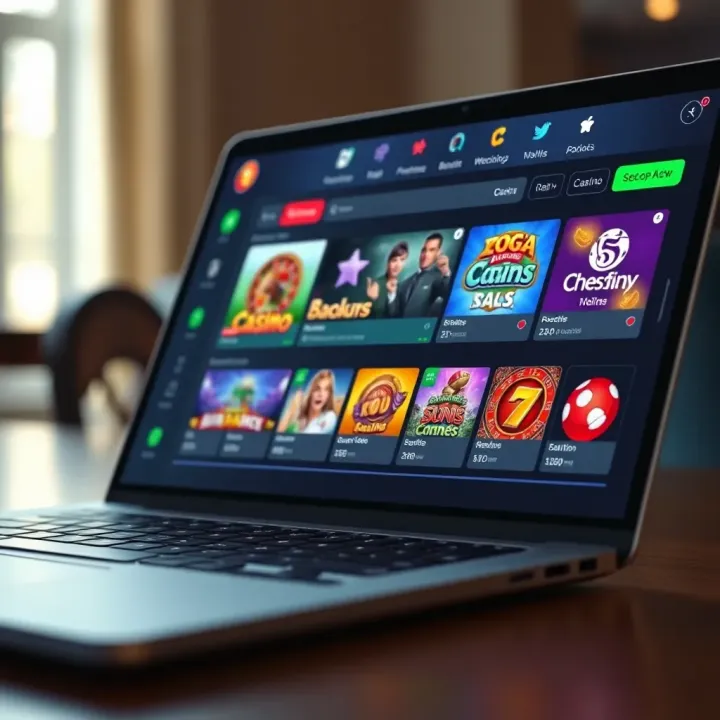
Despite regulation, enforcement remains tricky due to limited resources and the rapid growth of online gambling. Unlicensed operators occasionally skirt rules, exposing players to scams and money laundering risks. However, agencies have increased crackdowns and updated frameworks to address digital expansions. For example, the NLRC has recently collaborated with the Nigerian Communications Commission (NCC) to block unregistered gambling websites, marking progress though enforcement is still a work in progress.
Awareness of the casino landscape—from types of operations to regulation—is key for stakeholders to navigate Nigeria's booming gambling sector responsibly and profitably.
Knowing the popular casino games played in Nigeria helps to understand the local gambling culture and preferences. These games not only shape the experience for players but also influence how operators tailor their offerings — striking a balance between tradition and innovation appeals to a wide audience. Players often pick games based on ease, excitement, and potential returns, making it critical for casinos to feature these favourites.
Roulette and blackjack are staples in both land-based and online casinos across Nigeria. Roulette’s simple betting options, from red or black to specific numbers, draw many first-timers, especially at casinos in Lagos and Abuja. Blackjack, on the other hand, offers a mix of strategy and chance, attracting more experienced players who enjoy beating the dealer with a hand closest to 21 without going bust. For example, popular casinos like The Federal Palace in Lagos regularly host blackjack tables that see busy foot traffic, reflecting the game’s strong appeal.
Poker and baccarat also hold their place among Nigerian gamblers. Poker tournaments, though less formalised than in Western countries, are gaining traction in social settings and select casino lounges, particularly in Abuja and Port Harcourt. Poker’s blend of skill and psychology offers a draw for players looking beyond pure luck. Baccarat, though less widespread, enjoys popularity among high rollers in exclusive hotel casinos, partly because of its fast pace and clear rules. Operators offer both live dealer options and virtual versions to meet diverse preferences.
The growth of slot machine popularity is noticeable in Nigeria’s digital shift. Slots appeal to casual and new players because the games are straightforward — no complicated rules, just spin and wait. Digital-themed slots featuring football, Nollywood stars, or cultural motifs also deepen local engagement. For instance, online platforms such as Betking and 888Casino Nigeria have increased slots availability through mobile apps, making access easier even outside major urban centres.
Local lottery systems and their appeal remain strong, largely due to affordability and accessibility. Many Nigerians participate in lotteries like the Nigerian National Lottery operated under the National Lottery Regulatory Commission. The lottery’s draw-based system offers a chance to win sizeable jackpots with minimal stake, suitable for the informal sector and those with limited disposable income. The simplicity and proven track record of these lotteries continue to attract millions monthly, often serving as a gateway for players to explore more complex casino games.
Understanding the mix of traditional casino games and more accessible options like slots and lotteries reveals how Nigeria’s gambling scene balances heritage and modern trends, catering to a broad spectrum of players.
This knowledge benefits marketers, technologists, and regulatory bodies aiming to navigate and support the sector effectively.
Technology drives the rapid growth of Nigeria's casino sector, reshaping how players interact with games and how operators manage their platforms. In a country where smartphone ownership has increased exponentially, especially among the youth, the integration of innovative tech solutions makes gambling more accessible and convenient. This shift is not just about ease of use but also about ensuring security and fairness in play, which strengthens trust within the Nigerian gambling community.
Mobile-friendly casino apps have become the frontline of Nigeria’s gambling scene. With over 100 million internet users mostly accessing the web via smartphones, these apps cater directly to the way Nigerians play. Popular platforms like Betway, 1xBet, and SportyBet now offer apps optimised for various devices, delivering fast-loading game interfaces and smooth gameplay even on average network speeds. This development allows players in Lagos, Abuja, and even smaller cities to enjoy casino classics such as blackjack or new slot games anytime, anywhere.
These apps also provide a personalised experience with notifications on bonuses or game updates, making engagement seamless. Moreover, the convenience of punchy interfaces means fewer data charges and less frustration from lag, which are common concerns for Nigerian users.
One key factor in the success of Nigerian casino apps is the adaptation of payment systems. Nigerian players prefer using mobile money services, bank transfers, and digital wallets that are familiar and reliable. Integration with bank platforms like GTBank, Access Bank’s tickpay, and fintech solutions like OPay and Flutterwave simplifies deposits and withdrawals.
Additionally, most platforms support the Bank Verification Number (BVN) for user verification, reducing fraud and speeding up transactions. USSD codes and QR payments are commonly offered to accommodate those without smartphones or formal bank accounts, ensuring inclusion across different user segments. Such adaptability builds confidence among users, crucial for engaging with online gambling responsibly.
Security is paramount in Nigeria’s online casino environment. Platforms employ strong encryption techniques such as SSL (Secure Sockets Layer) to protect sensitive user data, including payment information and personal identification. This technical safeguard ensures that hackers cannot easily intercept or misuse players’ details during transactions or gameplay.
Casinos also comply with data protection policies guided by the Nigerian Data Protection Regulation (NDPR), reinforcing users' rights over their information. These measures reassure users who might otherwise be wary, especially given concerns around cyber threats and identity theft in the country.
Fair play is a pressing issue as more Nigerians engage with online gambling. Regulators like the National Lottery Regulatory Commission ensure that licensed casinos use certified Random Number Generators (RNGs), which guarantee that game outcomes are unpredictable and unbiased.
Beyond certification, regular audits and compliance checks maintain operator accountability. Nigerian casino apps often display their licensing credentials and undergo public scrutiny to build a reputation for integrity. For players, this means they can trust that games are not rigged, making the experience transparent and just.
Nigerian players now enjoy a growing casino industry where technology not only enhances convenience but also supports secure and fair gaming—paving the way for a more mature, trusted gambling environment in the country.
The role of technology in Nigeria's casino industry continues to evolve, with ongoing innovations expected to further improve user experience and regulatory oversight.
In Nigeria's growing casino sector, responsible gambling is vital to maintain balance between entertainment and potential harms. The rapid increase of both land-based and online platforms brings new challenges, making awareness and control more pressing. Understanding responsible gambling helps players enjoy casino games without risking their finances or well-being.
Problem gambling manifests when betting shifts from a fun activity to a compulsive behaviour impacting daily life. Common signs include chasing losses repeatedly, betting beyond one's means, skipping work or family obligations, and experiencing distress when unable to gamble. For instance, a player who borrows money just to play on slot machines despite ongoing losses is exhibiting classic symptoms.
Recognising these signs early is essential to prevent financial ruin and mental health issues. Not every gambler falls into this trap, but the increasing number of online platforms accessible via smartphones can tempt vulnerable individuals to overspend or gamble impulsively.
Support mechanisms in Nigeria are still developing but have started to take shape. Organisations like the Nigerian Responsible Gambling Association provide awareness campaigns that stress limits and informed betting. Some casinos now offer self-exclusion tools and deposit limits, helping clients control their gambling activity. However, there is room for more structured interventions, such as helplines and counselling centres, tailored to the Nigerian context.
The casino industry contributes notably to job creation and revenue in Nigeria. From casino floor staff to tech developers powering online platforms, thousands find employment directly or indirectly because of gambling. For example, Lagos hosts several casinos employing hundreds, while digital startups supporting mobile gambling apps hire programmers and customer support teams.
On the revenue front, taxes and levies from gambling operations add funds to both federal and state governments. This revenue stream is especially important amidst fluctuating oil prices affecting Nigeria's economy. Casinos also boost local businesses, including hospitality and transport sectors, creating a ripple effect beyond gambling halls.
Yet, social concerns remain a key consideration. Excessive gambling can lead to family breakdowns, increased debt, and mental health struggles. Communities sometimes face challenges like illicit gambling rings or unregulated betting shops operating outside the law, complicating efforts to protect citizens.
Addressing these concerns requires a combination of regulation, public education, and support services. Government agencies and private sectors should partner to ensure gambling remains a controlled activity with safeguards, while sensitising Nigerians on the risks. For example, campaigns during ember months emphasise caution as higher disposable incomes may fuel reckless betting.
Responsible gambling not only protects individuals but also strengthens the casino industry's sustainability by building trust and encouraging informed participation.
In summary, responsible gambling paired with thoughtful management of social impact will be the true test of Nigeria's casino sector maturing into a beneficial industry for both players and the wider economy.
🎰 Want to withdraw your casino bonus on AccessBet Nigeria? Learn how to meet wagering terms, avoid delays, and cash out safely to your bank account. ₦ ready!
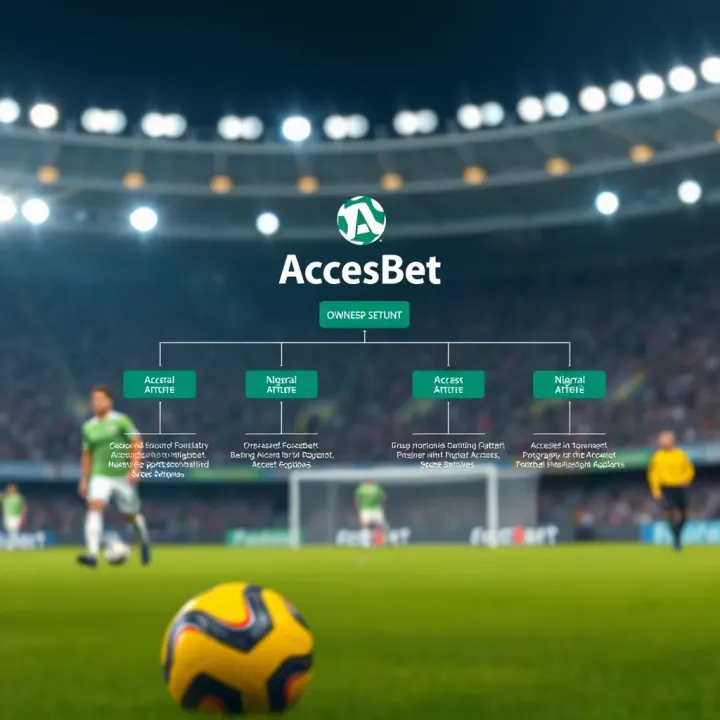
Discover who owns AccessBet 🇳🇬, Nigeria's popular betting platform 💰. Explore its founders, business model, and regulatory setup shaping Nigeria's betting scene 🏆.

🎰 Learn how to grab AccessBet casino promo codes for top bonuses in Nigeria! Find valid codes, redeem them easily, and win more with smart tips and safety pointers. 💰

🥇 Discover how to cash in on Nigeria's betting scene with AccessBet Affiliate Programme. Learn registration steps, commissions, promos & easy ₦ withdrawals today!
Based on 9 reviews